
Michiana.TV
First Amendment
of the U.S. Constitution
First Amendment of the U.S. Constitution Congress shall make no law
(1) respecting an establishment of religion, or prohibiting the free exercise thereof;
(2) or abridging the freedom of speech,
(3) or of the press;
(4) or the right of the people peaceably to assemble,
(5) and to petition the Government for a redress of grievances.
FEATURED VIDEOS
First Amendment Audit
What is the Hawthorne Effect? (Easy Explanation)

What is the Hawthorne Effect? (Easy Explanation)

Preparing for a First Amendment Audit 12 16 2021

First Amendment Audit
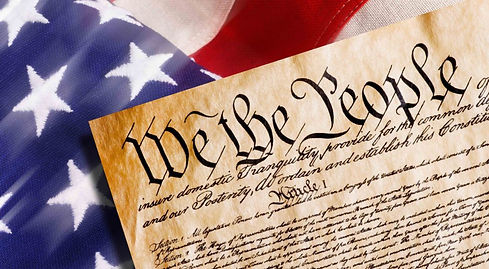
First Amendment of the U.S. Constitution Congress shall make no law (1) respecting an establishment of religion, or prohibiting the free exercise thereof; (2) or abridging the freedom of speech, (3) or of the press; (4) or the right of the people peaceably to assemble, (5) and to petition the Government for a redress of grievances.
Hawthorne Effect
The Hawthorne Effect refers to the phenomenon where individuals alter their behavior because they know they are being observed. Originally identified during workplace studies at the Hawthorne Works factory in the 1920s, the effect has since been recognized in many settings, especially those involving surveillance or scrutiny.
Hawthorne Effect & First Amendment Audits
In the context of First Amendment audits, where individuals film public officials (typically law enforcement or government employees) in public spaces to test their understanding and respect for constitutional rights, the Hawthorne Effect plays a significant role.
How it applies:
-
Behavioral Changes Due to Being Recorded:
-
Public officials may act more polite, professional, or cautious when they realize they’re being recorded by an auditor.
-
This can lead to improved interactions and greater respect for constitutional rights, especially regarding freedom of speech, press, and public access.
-
-
False Positives of Good Conduct:
-
The recorded interaction may not reflect how the official normally behaves when not under observation. Their conduct might improve only because they know they’re on camera.
-
-
Accountability Through Observation:
-
The potential for being watched (even beyond a single audit) can motivate system-wide behavioral improvements, encouraging departments to train staff better and reinforce constitutional compliance.
-
-
Limitations:
-
It can also lead to performative behavior, where officials act appropriately in public but revert to problematic practices in unmonitored settings.
-
Summary:
The Hawthorne Effect helps explain why First Amendment audits can act as a public service, not only by exposing misconduct but by encouraging better behavior simply through observation.
In this way, cameras become both tools of documentation and behavioral influence.

